We Love Our Orto-Flower Garden
We Love Our Orto-Flower Garden
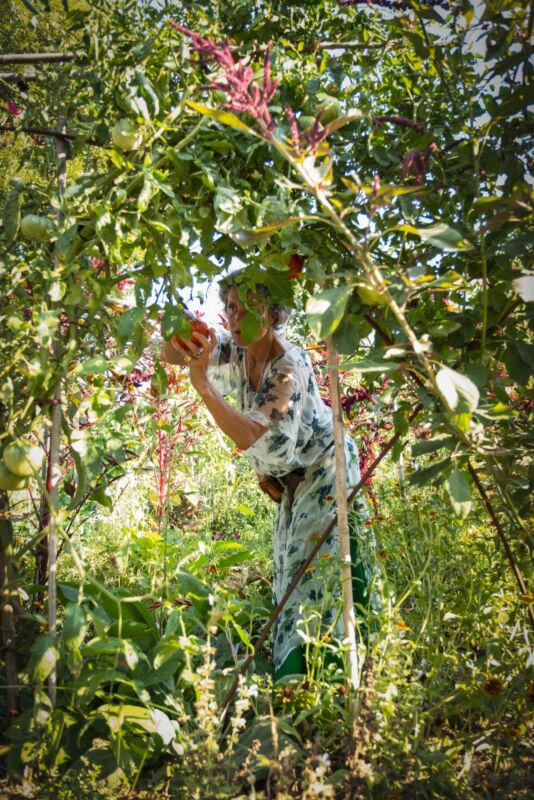
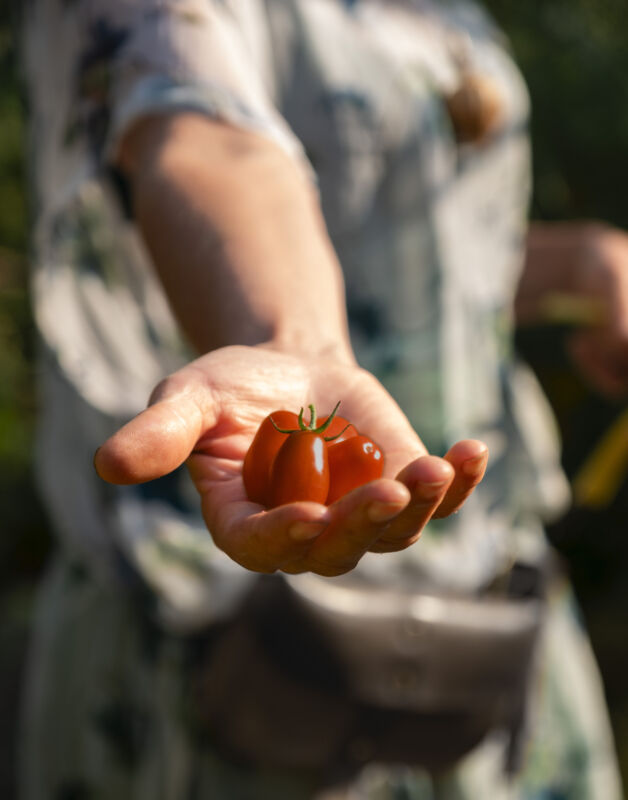
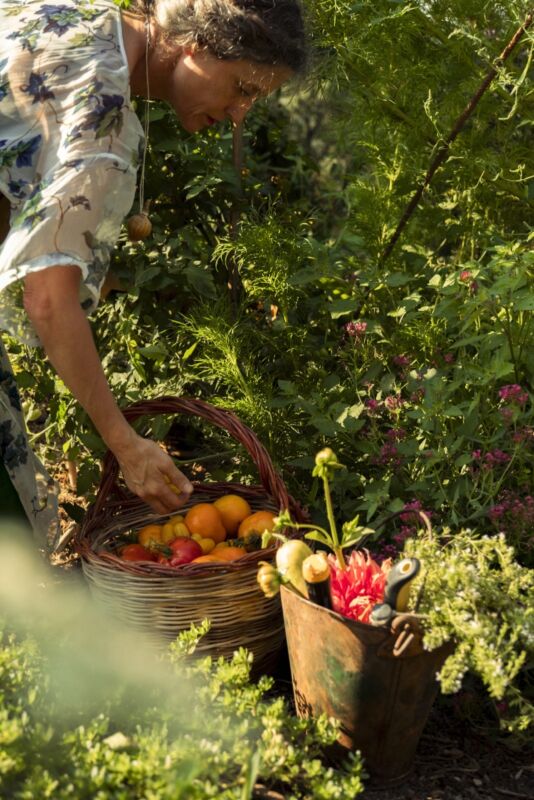
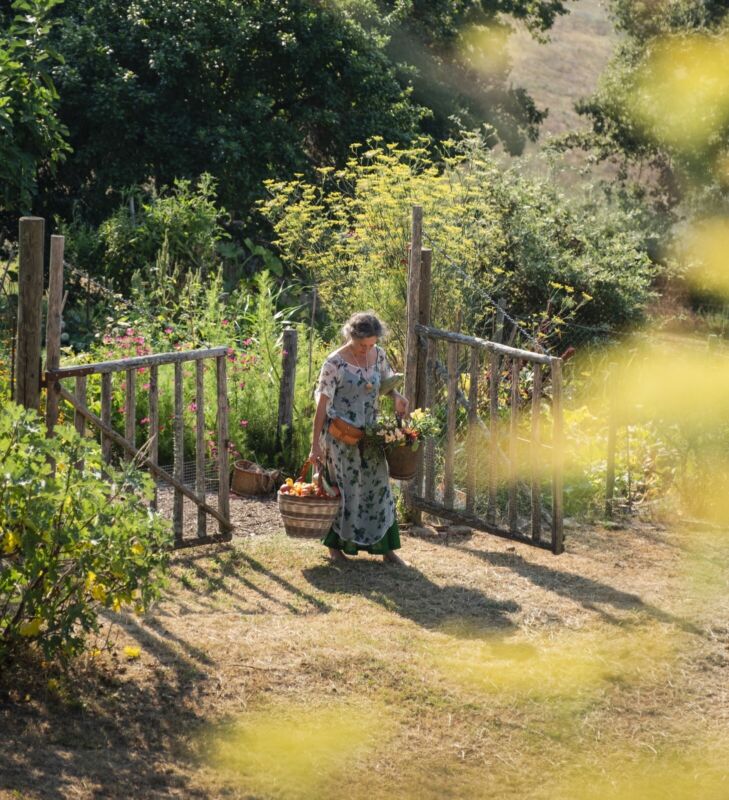
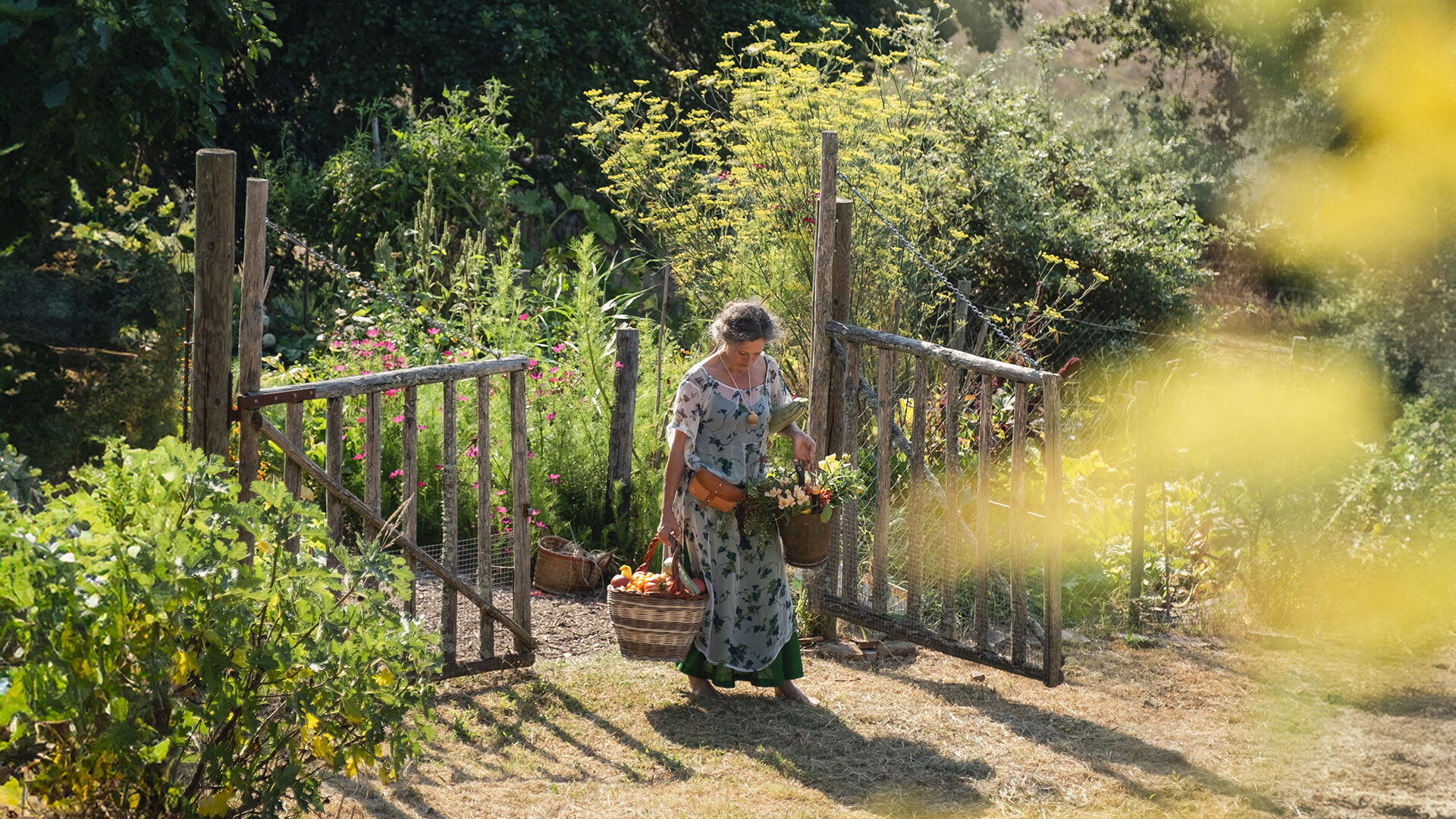
Emerging around 10,000 BCE during the Neolithic Revolution, vegetable gardens began as small, cleared patches of land, marking the transition from hunting and gathering to settled agriculture. Over millennia, they evolved into Roman kitchen gardens, the ordered plots of medieval monasteries, and the Victory Gardens of the 20th century. Their enduring presence speaks to their fundamental appeal: in some form, they have been cultivated for thousands of years. That history finds its contemporary expression outside one of the Reschio houses, where a bountiful vegetable garden takes pride of place. At all times of year, it is sure to be thriving, bursting with the kaleidoscopic colours of seasonal vegetables thanks to various processes that keep it in optimal health. At its heart are biodynamic principles, which guide the rhythm of sowing, planting and harvesting in accordance with lunar and planetary cycles.
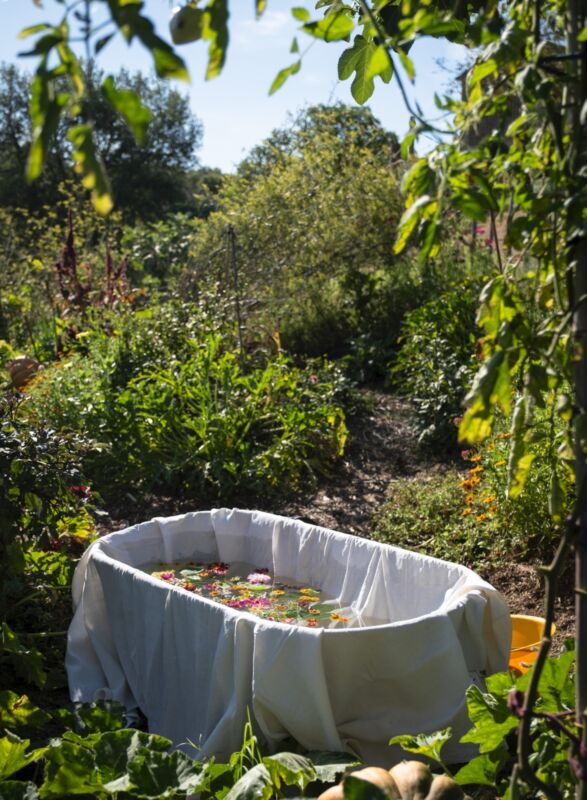
Composting follows a similarly cyclical rhythm, rooted in the belief that healthy plants begin with healthy soil. Made on site from organic material gathered from the garden, the compost is left to mature until it is rich, dark and alive with earthworms, before being placed in the vegetable beds in preparation for the coming season. Since soil quality is worth little without good soil hydration, an ancient irrigation system is being trialled using terracotta ollas: buried vessels that release water slowly into the surrounding earth.
Much of the garden’s cultivation is guided not by intervention, but by observation. It is allowed to develop as a living system, with as little interference as possible. Weeds, for example, are permitted to grow alongside crops where they do not compromise their health. In this way, the garden becomes a constantly evolving relationship between the cultivated and the wild, finding its own balance over time.
Looking ahead, plans include a greenhouse for the nursery, creating a protected environment for young plants during their most delicate stages. There is also an ongoing exploration of new approaches to cultivation, including syntropic agriculture. The aim is ultimately the same: to work with natural systems rather than against them, allowing the garden to flourish on its own terms.